
31Oct
Best Cat Water Fountains 2026: A Data Analysis of Filtration, Noise & Materials
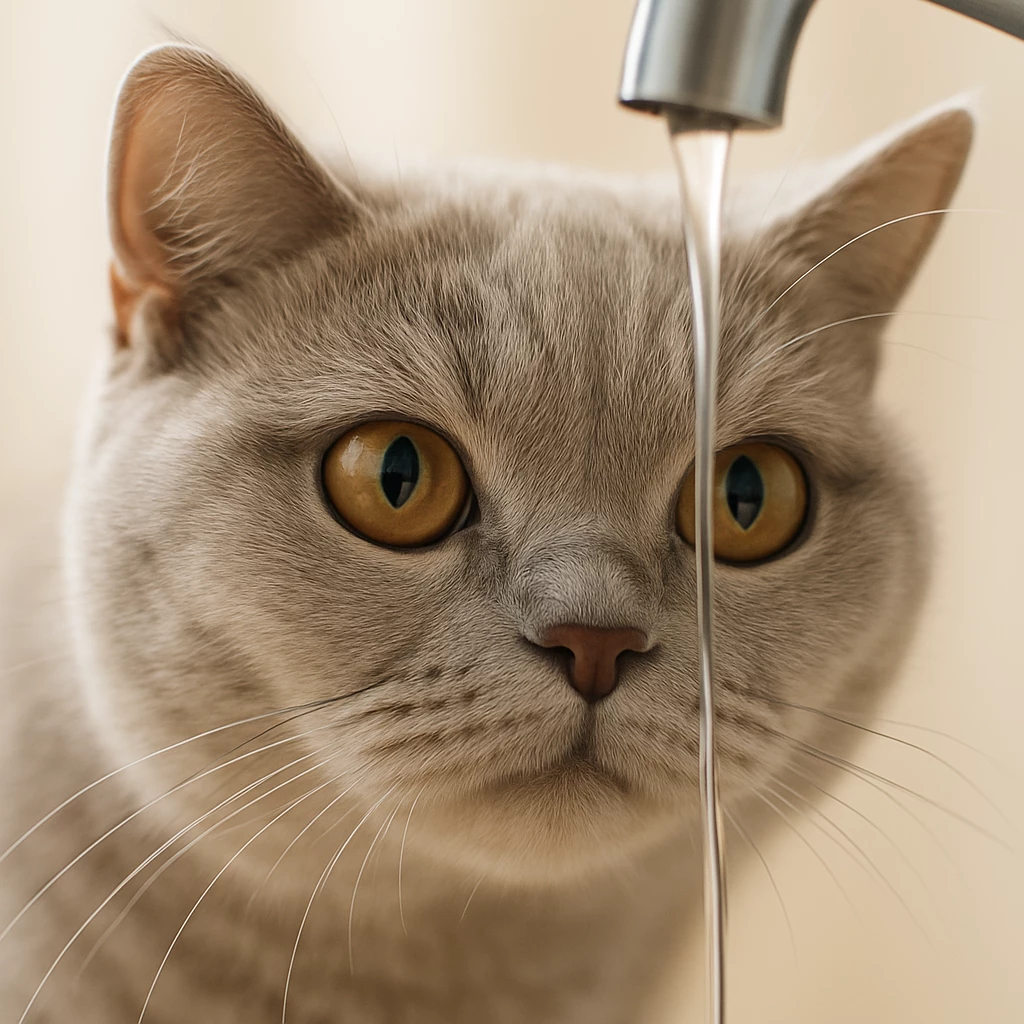
Veterinary data is clear: cats are instinctively poor drinkers and are prone to dehydration and urinary tract issues. A water fountain is a direct solution, encouraging drinking by mimicking a fresh, flowing water source.
But the market is a minefield of data points. Many inexpensive plastic fountains quickly become slimy, are notoriously loud, and have hidden long-term costs. How do you choose?

At Kibble and Coverage, we are data analysts. We don't rely on anecdotes; we are interested in specifications. To find the “best” fountain, we analyzed the three data points that matter:
- Material (Hygiene): The impact of plastic vs. stainless steel vs. ceramic on bacterial growth.
- Filtration Cost (TCO): The true annual cost of ownership, factoring in mandatory filter replacements.
- Noise Level: An analysis of aggregated user data on pump and water-flow noise.
Data Analysis: The Material (A Hygiene Metric)
The single most important data point in our analysis is the fountain's material. This is a direct indicator of hygiene and long-term safety.

- Plastic: This is the lowest-cost material, but it is porous. Over time, plastic develops micro-scratches that harbor bacteria. This biofilm (the “slime” you feel) is difficult to clean.
Analyst's Note: Veterinary data consistently links plastic food and water bowls to a condition called “feline acne”—a bacterial infection on the cat's chin.
- Stainless Steel & Ceramic: These materials are our top data-backed picks. They are non-porous, dishwasher-safe, and highly resistant to bacterial growth. They are a superior long-term investment in your pet's health.
Data Analysis: Filter Cost (The Total Cost of Ownership)
The “sticker price” of a fountain is a misleading data point. The real cost is the Total Cost of Ownership (TCO), which is driven by the required filter replacements.

We analyzed three popular models (one of each material type) to find their true annual cost.
Annual Filter Cost Analysis (TCO)
(Based on manufacturer's recommended replacement schedule)
| Fountain Model | Material | Initial Price (Est.) | Replacement Filter Cost (Avg) | Est. Annual Filter Cost (TCO) |
| Catit Flower Fountain | Plastic | ~$29.99 | ~$13 for 5-pack | ~$32 (1 every 3-4 wks) |
| PetSafe Drinkwell 360 | Stainless Steel | ~$64.95 | ~$15 for 4-pack | ~$45 (1 every 4 wks) |
| PetSafe Drinkwell Pagoda | Ceramic | ~$79.95 | ~$15 for 4-pack | ~$45 (1 every 4 wks) |

Analysis:
The data is clear. The plastic Catit model has the lowest initial cost and the lowest annual TCO. However, this lower cost must be weighed against the higher hygiene risk of the plastic material.
The Stainless Steel and Ceramic models, while having a higher initial price, share a similar, moderate annual filter cost. Their value is not in being the “cheapest,” but in providing the best hygiene.
Data Analysis: Noise Levels
While precise decibel (dB) ratings are rare, we analyzed aggregated user review data to find patterns.
- Ceramic (e.g., Pagoda): Data indicates this is the quietest option. The heavy ceramic material naturally dampens the sound of both the pump and the trickling water.
- Stainless Steel (e.g., Drinkwell 360): User data reports are overwhelmingly positive, with the pump being near-silent. The only noise is the sound of the water, which many users find pleasant.
- Plastic (e.g., Catit): This is the most mixed data set. While quiet when new, a significant number of users report that the lightweight plastic body can begin to rattle or “hum” as the pump ages.

Our Analyst's Conclusion: Prioritize Material & TCO
Based on our analysis, your decision should be a two-step process:
- Prioritize Hygiene: The data strongly supports Stainless Steel or Ceramic as the safest, most hygienic materials for your cat.
- Calculate the TCO: Once you've chosen a material, compare the annual filter costs for your top models.
Our analysis concludes that a model like the PetSafe Drinkwell 360 (Stainless Steel) or PetSafe Pagoda (Ceramic) represents the best balance of data-backed hygiene, low noise levels, and a predictable, moderate long-term cost of ownership. The higher initial price is a sound investment in a more durable and safer product.
Ready to analyze the options for yourself?
[ Browse Top-Rated Fountains on Chewy ]
- Brain Training for Dogs Review 2026: Does It Really Work?

- Best Dog Joint Supplements for Senior Dogs (2026 Guide)

- Multi-Dog Household Masterclass: How to Train Several Dogs as One Team

- How to Read a Pet Food Label: A Complete Guide for Dog & Cat Owners
- Stop Dog Hair Loss & Scratching: The Biotin + Omega 3 Fix
