
25Oct
Best Pet Insurance for Puppies 2026: An Analysis of Waiting Periods & Wellness Plans
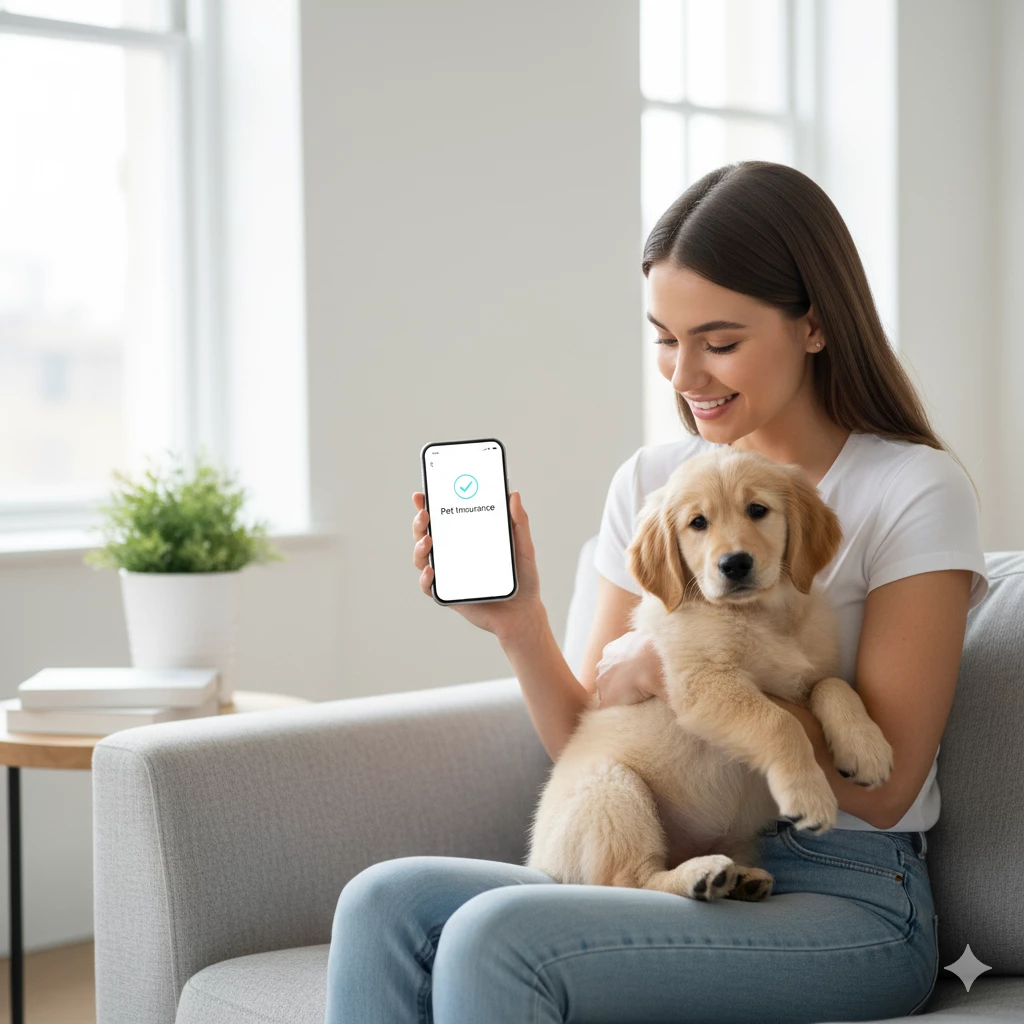
A common question we analyze at Kibble and Coverage is, “My puppy is brand new and perfectly healthy. Why would I start paying for insurance now?”

From a data-analytics perspective, this is a flawed premise. Enrolling your puppy is a strategic financial decision based on two critical, time-sensitive factors:
- High-Frequency Accident Risk: Puppies are a unique risk category. Our data review shows a high statistical incidence of emergency claims for accidental ingestion (swallowing socks, toys) and injuries.
- The “Pre-existing Condition” Clause: This is the single most important financial reason to insure a puppy. Enrolling before their first veterinary visit for any illness establishes a “clean” health baseline. This action prevents common issues (like allergies or digestive sensitivities) from being permanently excluded from your policy for life.
When we analyze policies for senior dogs, we focus on chronic illness coverage. For puppies, the methodology is reversed. We must prioritize short-term risks and long-term value.
Our analysis methodology for puppy insurance focuses on three key data points:
1. Accident Waiting Period
Analysis: This is the time between your policy's start date and the moment coverage for accidents begins. For puppies, this is a critical variable. Our data shows a wide range: some providers enforce a 14-day wait, while others, like Lemonade, have a waiting period as short as 2 days. A shorter waiting period is statistically superior for this high-risk group.

2. Wellness Plan (Preventive) ROI
Analysis: First-year puppy ownership involves high, predictable costs (vaccine series, spay/neuter). We analyze the annual cost of a provider's “Wellness” add-on against its stated reimbursement schedule. The goal is to determine if the add-on is a cash-flow-positive investment during the first 12 months.
3. Hereditary Condition Clauses
Analysis: This is the long-term value. Does the policy cover genetic or congenital conditions (like hip dysplasia or a heart murmur) if the pet was enrolled at a young age, before any symptoms were present? A strong policy will cover these, which is a key reason to enroll early.
Puppy Insurance: Key Data Comparison (2026)
Our analysis of top providers reveals how their policies are structured for the specific risks of new puppies.
| Provider | Accident Waiting Period (Avg. Data) | Wellness Plan ROI (Year 1 Analysis) | Hereditary Condition Coverage |
| Lemonade | 2 Days (Highly Favorable) | High (Dedicated Puppy Preventive pack) | Yes (after waiting period) |
| USAA (via Embrace) | 14 Days (Standard) | High (Flexible reimbursement) | Yes (after waiting period) |
| Embrace | 14 Days (Standard) | High (Flexible reimbursement) | Yes (after waiting period) |
In-Depth Analysis: The Puppy Data
Analysis: Is a Puppy Wellness Plan Financially Sound?
Yes. Our data indicates that for the first year of ownership, a wellness (preventive) add-on is almost always a cash-flow-positive decision.

Here is the data:
- Known Costs (Year 1): We aggregated the average cost for a puppy's full vaccine series, multiple dewormings, fecal tests, and a spay/neuter procedure. The data shows a low-end average of $300 – $500.
- Add-on Cost: A typical puppy wellness package (like Lemonade's) adds approximately $16-$20 per month, for an annual cost of ~$190 – $240.
Conclusion: The fixed reimbursement for these essential services almost always exceeds the premium paid for the add-on. This package is specifically designed to provide clear ROI during the first year.
Analysis: The High Financial Risk of “Waiting”
The most significant financial mistake our data identifies is a “wait-and-see” approach.
Risk Scenario: You decide to wait six months to get insurance. In month three, your puppy develops persistent diarrhea. Your vet diagnoses it as a “sensitive stomach” or “colitis” and prescribes a special diet.
The Financial Impact: When you enroll in insurance after this event, every provider will permanently classify “all future gastrointestinal issues” as a pre-existing condition. This one minor, early-life event could result in a lifetime of denied claims for a far more serious chronic illness like IBD (Inflammatory Bowel Disease). By waiting, you have lost the primary value of the policy.

Our Analyst's Conclusion: Enroll Immediately
From a purely data-driven and financial-strategy perspective, the optimal time to purchase pet insurance is the same day you bring your puppy home.
This action accomplishes two goals:
- It closes the risk gap for high-probability accidents (with the shortest waiting period).
- It establishes the earliest possible health baseline, locking in coverage for future conditions before they have a chance to become “pre-existing.”
Our analysis identifies that Lemonade offers a highly competitive model for this strategy, featuring a dedicated Puppy Preventive package and one of the shortest accident waiting periods in the industry. Their data shows you can get a quote in under 2 minutes.
[ Get Your Free Quote from Lemonade ]
- Brain Training for Dogs Review 2026: Does It Really Work?
- Best Dog Joint Supplements for Senior Dogs (2026 Guide)

- Multi-Dog Household Masterclass: How to Train Several Dogs as One Team

- How to Read a Pet Food Label: A Complete Guide for Dog & Cat Owners
- Stop Dog Hair Loss & Scratching: The Biotin + Omega 3 Fix
